According to the United Nations Intergovernmental Panel on Climate Change (UN IPCC), global warming presents an urgent threat that requires a dramatic reduction in atmospheric greenhouse gases like carbon dioxide (CO2) and methane (CH4). Because global wealth and infrastructure are historically locked to fossil fuel consumption, completely eliminating human emissions with current technology is an incredibly slow and difficult challenge. Rather than focusing entirely on the near-impossible task of cutting 100% of anthropogenic emissions, this platform introduces a pragmatic alternative: Deep Ocean Carbon Storage (DOCS). By intercepting and eliminating roughly 7% of the planet's natural emissions from microbes, the decomposition of organic matter, and wildfires, we can actively pull the Earth into a net-negative carbon state without stalling global economic productivity.
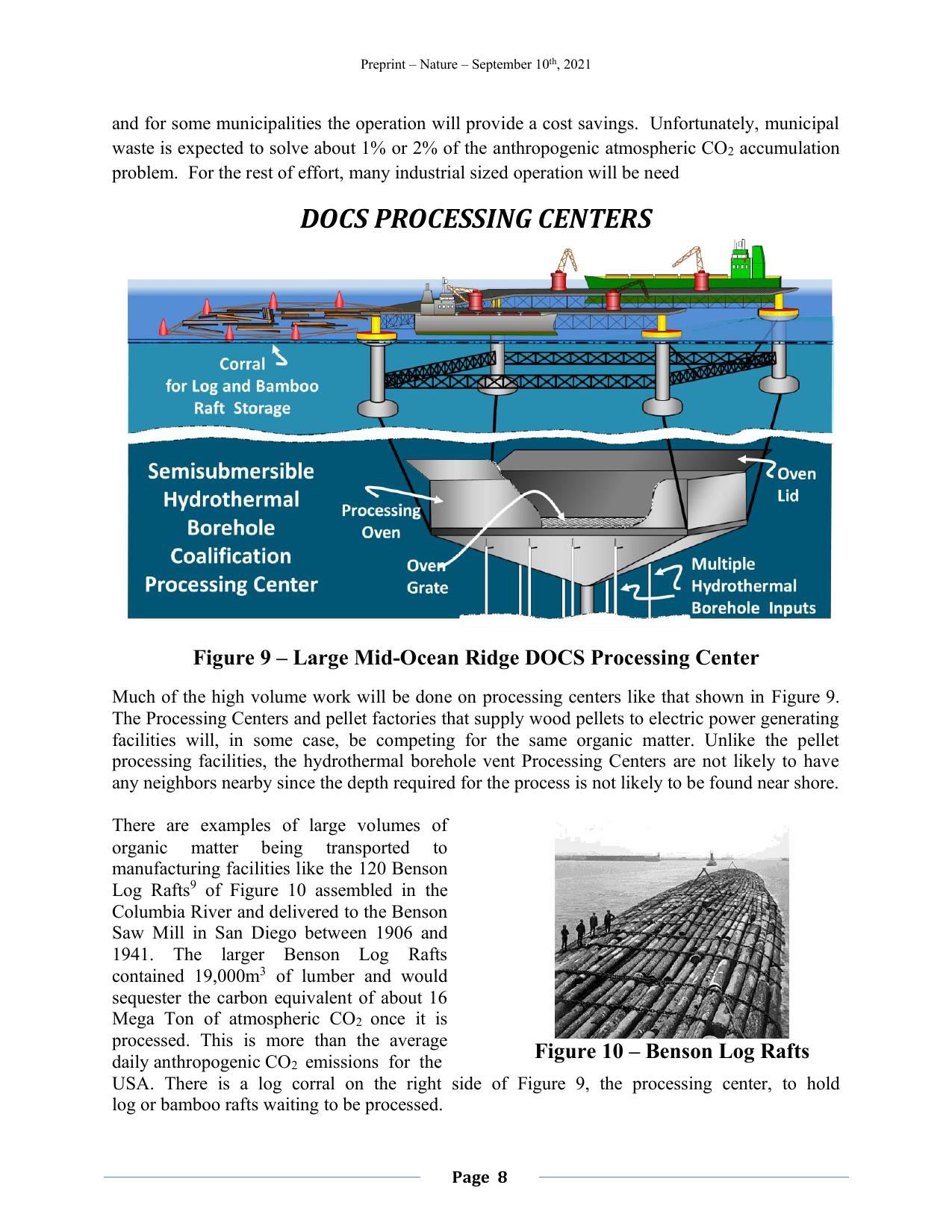
To successfully decrease atmospheric CO2 by 4 gigatons per year, the system requires a massive, steady supply of organic matter. The sequestration of organic matter from municipal waste provides an immediate, cost-effective source, it only addresses a small fraction of the scale required. The bulk of the operation will rely on specialized processing centers supplied by forest litter, agricultural debris, and marine biomass. The majority of these facilities are likely to be strategically located in the tropics and subtropics due to the rapid growth cycles of high-yield crops like bamboo, access to deep ocean trenches near land, and relatively pleasant offshore operating conditions. This geographic alignment naturally funnels economic investments and high-quality employment opportunities from heavy, fuel-dependent nations directly into developing tropical countries.
Financing a global initiative of this magnitude requires a self-sustaining financial engine rather than reliance on charity. The DOCS framework proposes a Carbon Commodity Circular Economy that partners directly with the petroleum industry, utilizing their existing drill ships, maritime platforms, and deep-sea engineering expertise. Funding could be generated through a targeted tax applied at the wellhead or mine entrance of fossil fuel extraction sites, designed to cover 110% of the CO2 equivalent removed. For nations hesitant to participate, cooperative import and export tariffs can be utilized, creating a stable, secure market that protects the energy sector while permanently cooling the planet.